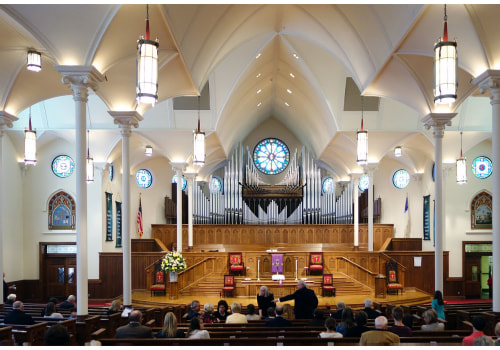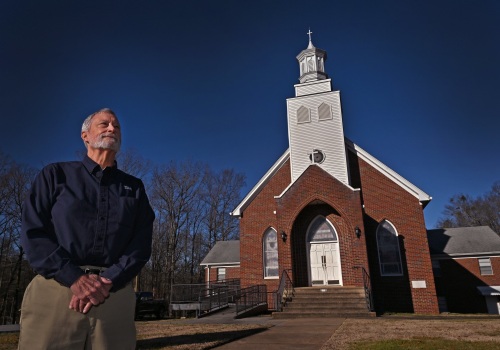
Upstate South Carolina has a rich spiritual history shaped by generations of pastors and church leaders who have guided their congregations through times of growth, challenge, and change. Churches in this region have long served as centers of faith, education, and community connection, playing an important role in both spiritual development and civic life. The pastors and leaders who have emerged from these churches are often remembered not only for their sermons, but also for their compassion, leadership, and dedication to serving others.
Early Influences and Historical Foundations
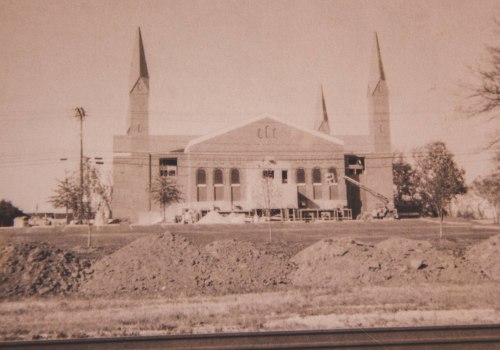
The early churches of Upstate South Carolina were often led by pastors who wore many hats, serving as spiritual guides, educators, and community organizers. In rural towns and growing settlements, church leaders helped establish schools, supported families during hardship, and fostered moral guidance. These early pastors laid foundations that shaped church culture for generations, emphasizing values such as service, integrity, and unity. Their influence extended beyond church walls, helping to shape the social fabric of the region.
Pastors Known for Community Leadership
Many notable pastors in Upstate South Carolina became respected community leaders through their active involvement in local issues. They advocated for education, supported charitable efforts, and worked to bridge divides within their communities. By partnering with local organizations and encouraging congregational outreach, these leaders demonstrated how faith-based leadership can inspire positive change. Their commitment to service often made churches hubs of support, much like trusted local businesses that communities rely on daily, such as a garage door company in Fountain Inn, SC, which plays a practical role in maintaining safe and functional homes.
Modern Church Leaders and Evolving Ministries
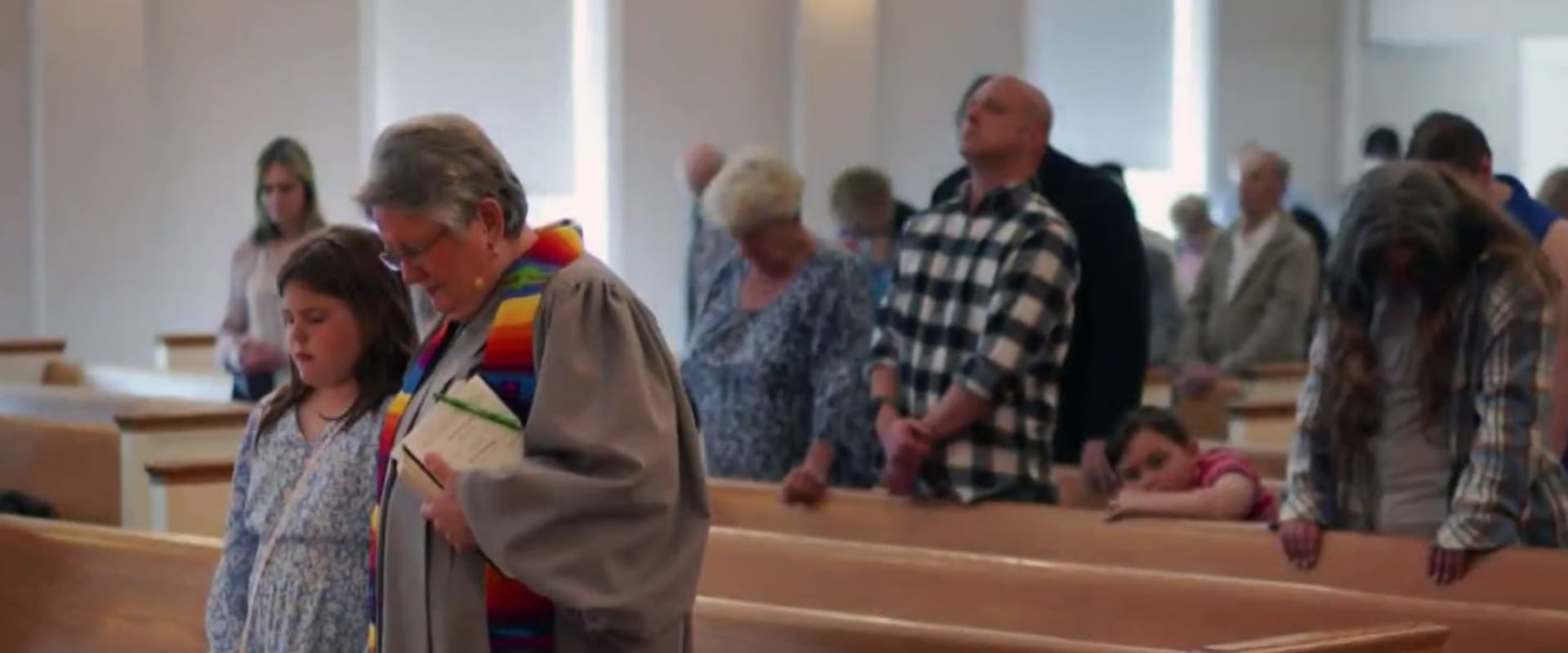
As communities in Upstate South Carolina have grown and diversified, so too have church leadership styles and ministry approaches. Modern pastors often balance traditional teachings with contemporary methods of engagement, using technology, social media, and community programs to connect with broader audiences. These leaders focus on inclusivity, mentorship, and outreach, ensuring that churches remain relevant and welcoming. Their adaptability reflects an understanding of changing community needs while staying grounded in core spiritual values.
Mentorship and Leadership Development
Another defining characteristic of notable church leaders in the region is their commitment to mentorship. Many pastors invest time in developing future leaders, both within the church and in the wider community. Through youth programs, leadership training, and one-on-one guidance, they help individuals grow spiritually and personally. This emphasis on leadership development ensures continuity and strengthens churches for future generations, reinforcing the long-term impact of pastoral influence.
Churches as Pillars of Local Culture
Churches in Upstate South Carolina often serve as cultural anchors, hosting events, providing support during crises, and offering spaces for reflection and connection. The pastors who lead these churches play a key role in maintaining this presence, guiding congregations to serve with compassion and purpose. Their leadership helps churches remain places of hope, stability, and service, regardless of changing times.
Honoring Lasting Contributions
Exploring the notable pastors and leaders of churches in Upstate South Carolina reveals a legacy rooted in faith, service, and community dedication. These individuals have shaped not only spiritual lives but also the broader social landscape of the region. Their influence continues through the congregations they built, the leaders they mentored, and the communities they strengthened. By honoring their contributions, the region acknowledges the enduring role of church leadership in fostering unity, resilience, and shared values across generations.